14 August
Blog
80th Independence Day 2026: Building a Stronger India Through Better Planning & Infrastructure
- Building Planner
- 0 Comments
India will celebrate its 80th Independence Day on 15 August 2026, marking another important milestone in the country’s journey since independence in 1947.
Independence Day is more than a national celebration. It is an opportunity to remember India’s past, recognise its achievements and think about the future we want to build.
For the architecture, construction and infrastructure sector, this future is closely connected with better planning, sustainable development, modern infrastructure, safe buildings and smarter cities.
As India moves toward the long-term vision of Viksit Bharat 2047, thoughtful building planning and responsible development can play an important role in creating better places to live, work and grow.
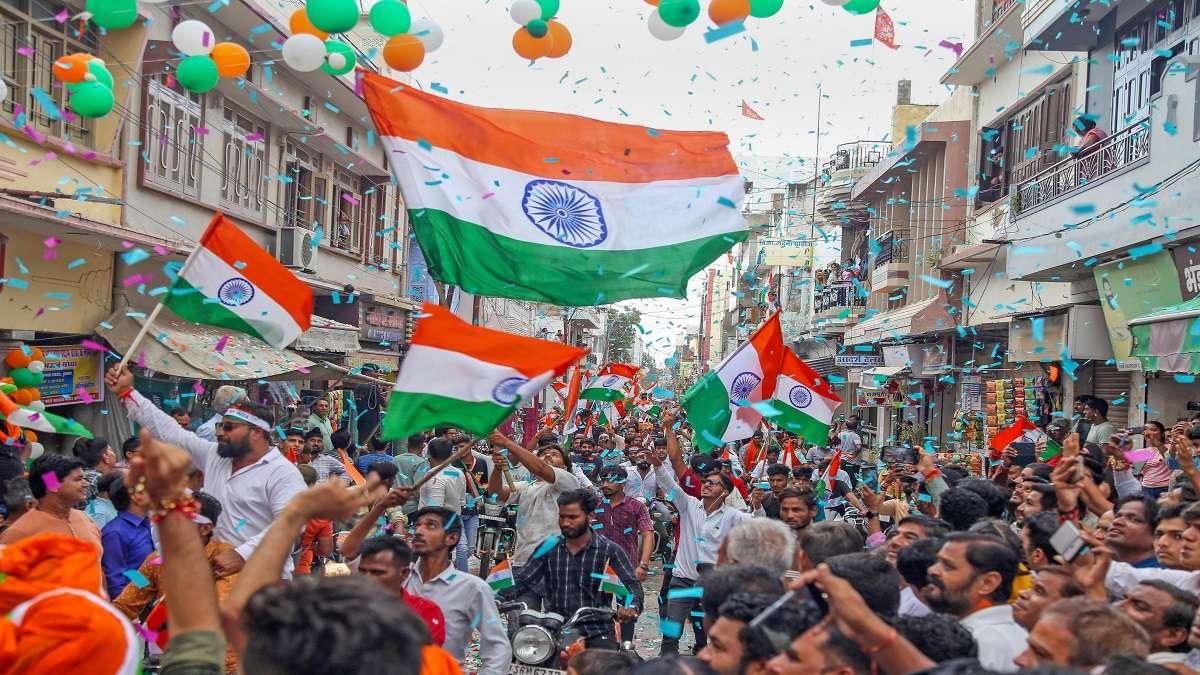
The National Portal of India currently features information and programmes associated with the 80th Independence Day 2026.
When Is India’s 80th Independence Day 2026?
India’s 80th Independence Day will be celebrated on Saturday, 15 August 2026.
India became independent from British rule on 15 August 1947.
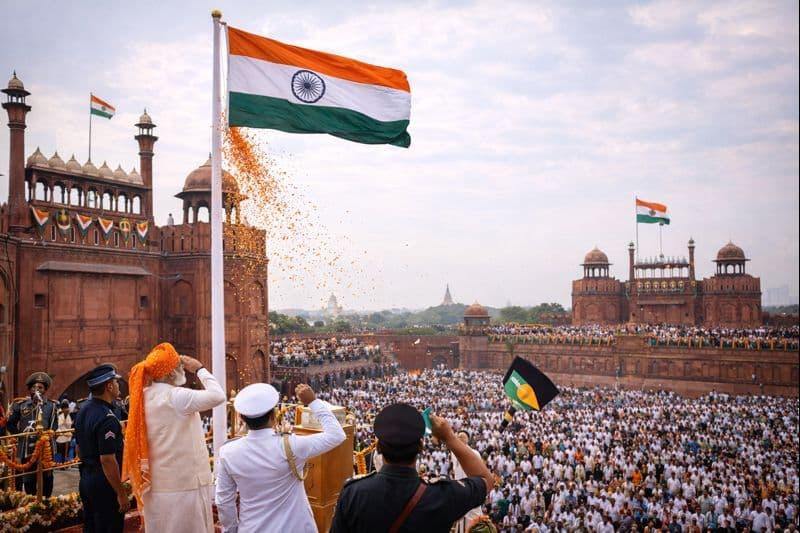
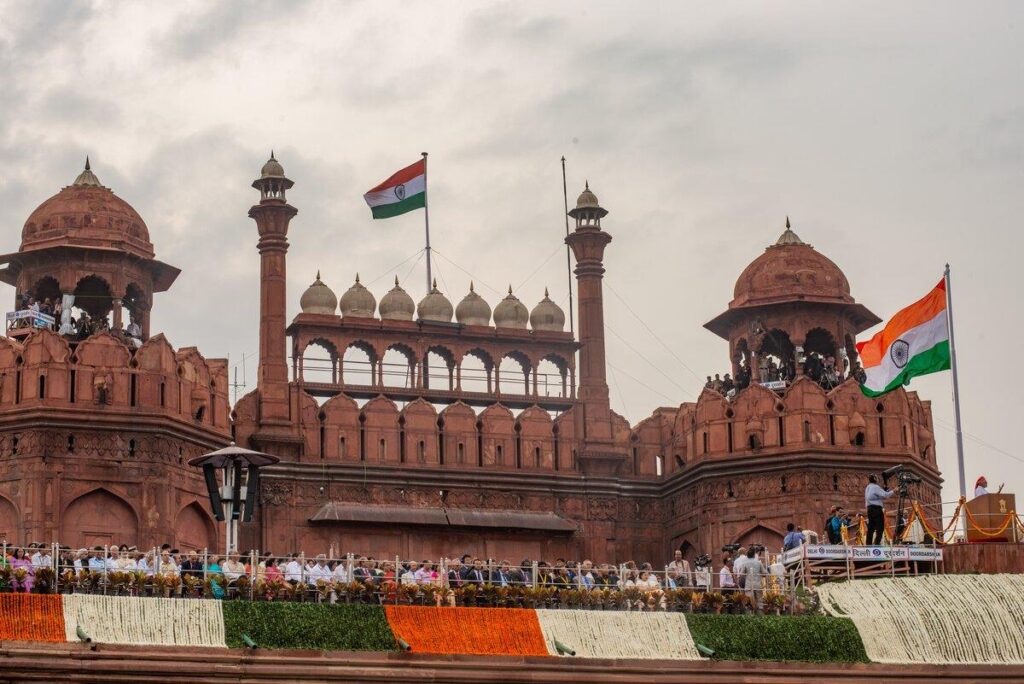
The national celebration traditionally centres around the Red Fort in New Delhi, where the Prime Minister addresses the nation.
The occasion provides an opportunity to reflect on India’s progress and the responsibilities involved in building the country’s future.
Why Is Independence Day Celebrated on 15 August?
Independence Day commemorates India’s independence from British colonial rule.
India’s freedom movement involved generations of citizens, leaders, reformers, revolutionaries and ordinary people who contributed to the struggle for independence.
15 August therefore represents:
- Freedom
- Unity
- Democracy
- National responsibility
- Progress
- Self-reliance
- Hope for the future
Independence Day is also a reminder that nation building continues long after political independence.
Today’s nation building includes education, healthcare, technology, infrastructure, urban development, housing and sustainable growth.
A Brief History of India’s Independence
India’s independence was achieved after a long and complex freedom struggle.
Major movements included:
- Swadeshi Movement
- Non-Cooperation Movement
- Civil Disobedience Movement
- Salt Satyagraha
- Quit India Movement
- Various regional and revolutionary movements
Mahatma Gandhi’s philosophy of non-violence and civil resistance became an important part of the freedom movement, while many other leaders and citizens made significant contributions.
On 15 August 1947, India became an independent nation.
Since then, the country has undergone significant transformation across agriculture, manufacturing, science, technology, education, infrastructure and urban development.
From Freedom to Nation Building
Political freedom created the foundation for India’s development journey.
Nation building today includes creating:
- Better roads
- Safer buildings
- Modern housing
- Sustainable cities
- Efficient transportation
- Digital infrastructure
- Public spaces
- Industrial infrastructure
- Rural infrastructure
- Environmentally responsible developments
Architecture and construction are therefore not simply about creating physical structures.
They contribute to the economic, social and environmental development of communities.
The Role of Building Planning in Modern India
Good building planning can make a significant difference to the usability, safety and efficiency of a property.
A properly planned building considers factors such as:
Site Planning
Understanding the site, access, orientation, surrounding development and applicable regulations is an important part of planning.
Space Planning
Rooms and functional spaces should be arranged according to the needs of the occupants.
Natural Light
Good planning can help maximise appropriate natural light while considering heat gain and climate conditions.
Ventilation
Proper ventilation can contribute to indoor comfort and healthier living environments.
Structural Considerations
Building planning should work together with appropriate structural design and engineering.
Services
Electrical, plumbing, drainage, fire-safety and other building services need to be considered during the planning process.
Future Requirements
A good building plan can consider potential future needs such as expansion, accessibility and changing family or business requirements.
Independence Day 2026 and the Vision of Viksit Bharat
India’s long-term development vision extends toward Viksit Bharat 2047, the goal of transforming India into a developed nation by the centenary of independence.
Recent official Independence Day messaging has emphasised themes including self-reliance, innovation, citizen empowerment and national development.
Infrastructure is an essential part of this vision.
A developed India requires infrastructure that supports:
- Housing
- Business
- Manufacturing
- Transportation
- Education
- Healthcare
- Technology
- Tourism
- Public services
Building planning therefore becomes part of a much larger national development story.
Sustainable Building Design for a Better Future
Modern development cannot focus only on constructing more buildings.
It also needs to consider how buildings interact with the environment.
Sustainable building planning can consider:
- Energy efficiency
- Natural lighting
- Natural ventilation
- Water conservation
- Efficient materials
- Waste management
- Solar energy
- Rainwater management
- Thermal comfort
- Long-term operational efficiency
Sustainable design can help reduce resource consumption and create buildings that are more appropriate for their environmental context.
Why Sustainable Architecture Matters for India
India has diverse climates, rapidly growing urban areas and varying infrastructure requirements.
A building design suitable for one region may not necessarily be appropriate for another.
Good planning should consider:
- Local climate
- Solar orientation
- Rainfall
- Temperature
- Wind
- Local building practices
- Available resources
- Site conditions
Climate-responsive design can help architects and planners create buildings better suited to their location.
Smart Cities and Modern Urban Development
India’s cities are expanding and changing rapidly.
Modern urban development increasingly involves the integration of:
- Transportation
- Housing
- Public infrastructure
- Digital technology
- Waste management
- Water systems
- Energy systems
- Green spaces
- Public facilities
Smart urban planning is not simply about adding technology.
It is about creating cities that are efficient, accessible, resilient and comfortable for residents.
The Importance of Safe Building Planning
A beautiful building is not enough.
Safety should remain one of the fundamental priorities of building design and construction.
Depending on the project, planning and construction may need to address:
- Structural safety
- Fire safety
- Electrical safety
- Emergency access
- Staircase design
- Building circulation
- Accessibility
- Drainage
- Site safety
- Applicable building regulations
Actual structural design and construction should be carried out by appropriately qualified professionals and in accordance with applicable local regulations and codes.
Residential Building Planning in India
For homeowners, a house is often one of the largest investments they make.
A good residential building plan should balance:
Functionality
Rooms should be arranged according to the family’s lifestyle.
Privacy
Bedrooms, living areas and service spaces should have appropriate relationships.
Natural Light
Windows and openings can be planned to support daylight.
Ventilation
Air movement should be considered during design.
Circulation
Movement between rooms should be convenient.
Future Expansion
Where appropriate, future requirements can be considered from the beginning.
Budget
Design decisions should be aligned with realistic construction budgets.
Building Planning for a Growing India
India’s growing population and expanding cities create continuing demand for residential, commercial and institutional development.
This creates opportunities and responsibilities for:
- Architects
- Civil engineers
- Structural engineers
- Urban planners
- Contractors
- Developers
- Building consultants
- Homeowners
Collaboration among these stakeholders can help produce better outcomes.
Technology Is Transforming Architecture and Construction
The architecture and construction industry is increasingly influenced by technology.
Modern tools can support:
- 2D drafting
- 3D modelling
- Building Information Modelling
- Architectural visualisation
- Quantity estimation
- Project planning
- Structural analysis
- Digital documentation
- Site monitoring
- Collaboration
Digital technology can make design communication more visual and help stakeholders understand a proposed building before construction begins.
Building Information Modelling and the Future
Building Information Modelling (BIM) is one example of how digital technology is changing the construction industry.
BIM can create a digital representation of a building and help different project stakeholders coordinate information.
Depending on the project, BIM workflows can support:
- Design coordination
- Clash detection
- Documentation
- Quantity information
- Construction planning
- Facility management
As India’s construction ecosystem becomes more digitally connected, such technologies can become increasingly valuable.
Green Buildings and India’s Future
India’s future development needs to balance economic growth with environmental responsibility.
Green building principles can support goals such as:
- Reduced energy consumption
- Efficient water use
- Better indoor environmental quality
- Reduced waste
- Sustainable material selection
- Lower environmental impact
Green buildings are not simply an architectural trend.
They represent a broader approach to responsible development.
Infrastructure as a Foundation for Economic Growth
Infrastructure supports almost every part of the economy.
Businesses need:
- Roads
- Electricity
- Internet connectivity
- Water
- Transport
- Industrial facilities
- Warehouses
- Offices
Communities need:
- Schools
- Hospitals
- Housing
- Public spaces
- Roads
- Public transport
Strong infrastructure can therefore create an environment in which businesses and communities can grow.
The Government of India’s National Portal places infrastructure among the country’s major development sectors and includes areas such as infrastructure, manufacturing, MSMEs and public works.
Independence Day 2026: Building Beyond Buildings
Nation building is not simply about constructing physical structures.
It is about creating environments that improve people’s lives.
A well-planned neighbourhood can improve accessibility.
A well-designed school can support education.
A well-planned hospital can improve healthcare delivery.
A thoughtfully designed home can improve comfort and quality of life.
A sustainable commercial building can support business while reducing resource consumption.
This is why building planning is ultimately about people, not just structures.
The Role of Young Architects and Engineers
India’s young professionals will play an important role in the country’s development.
The next generation of architects, engineers, planners and technology professionals can contribute through:
- Innovation
- Sustainable design
- Digital tools
- Better construction practices
- Research
- Local solutions
- Energy-efficient buildings
- Climate-responsive planning
Recent Independence Day messaging has also highlighted opportunities for India’s youth and the importance of innovation and self-reliance.
Independence Day 2026 and Sustainable Development
The future of Indian construction can be shaped by several important principles:
Plan Better
Good planning can reduce unnecessary changes and improve project efficiency.
Build Responsibly
Construction should consider safety, quality and environmental impact.
Use Technology
Digital design and construction technologies can improve coordination and productivity.
Think Long-Term
Buildings should be considered as long-term assets rather than short-term projects.
Respect the Environment
Water, energy and material resources should be used responsibly.
A Vision for India’s Built Environment
As India approaches the centenary of independence in 2047, its built environment will continue to evolve.
Future Indian cities and communities may increasingly feature:
- Energy-efficient buildings
- Smart infrastructure
- Digital construction
- Sustainable materials
- Integrated public transportation
- Green spaces
- Renewable energy
- Better water management
- Resilient infrastructure
- Technology-enabled planning
The choices made today can influence the quality of India’s built environment for decades.
Independence Day 2026 Message from BuildingPlanner
At BuildingPlanner, Independence Day is an opportunity to celebrate India’s progress and think about the role that planning, architecture and infrastructure can play in the country’s future.
From a small residential house to a large commercial development, every building becomes part of India’s physical landscape.
Better planning can create better spaces.
Better spaces can support better communities.
And better communities can contribute to a stronger India.
This Independence Day, let us celebrate India’s freedom while also looking toward a future built on innovation, sustainability, safety and responsible development.
Independence Day 2026 Wishes
“May the spirit of freedom inspire us to build a stronger, smarter and more sustainable India. Wishing everyone a very Happy 80th Independence Day 2026.”
“From the freedom struggle of yesterday to the infrastructure of tomorrow, India’s journey continues. Let us build with vision, responsibility and innovation. Happy Independence Day!”
“A developed India needs strong foundations. May this Independence Day inspire better planning, sustainable development and a brighter future for every Indian.”
Happy 80th Independence Day 2026
As India celebrates its 80th Independence Day on 15 August 2026, let us remember the sacrifices that gave us freedom and look ahead toward the India we want to build.
The future will be shaped not only by technology and economic growth but also by the quality of our homes, cities, infrastructure and public spaces.
Let us build an India that is:
Safe.
Sustainable.
Smart.
Inclusive.
Resilient.
Future-ready.
🇮🇳 Happy 80th Independence Day 2026! 🇮🇳
FAQ – 80th Independence Day 2026 & Building Planning
1. When is India’s 80th Independence Day in 2026?
India’s 80th Independence Day will be celebrated on 15 August 2026. The occasion commemorates India’s independence from British rule on 15 August 1947. The official National Portal of India currently features information related to Independence Day 2026.
2. Why is Independence Day celebrated on 15 August?
India became independent from British rule on 15 August 1947. The date is observed every year as Independence Day to remember the freedom struggle and celebrate India’s national journey.
3. Why is building planning important in India?
Building planning helps organise a project’s spaces, functions, circulation, services and design requirements. Proper planning can improve usability, safety, comfort and long-term value while helping the project comply with applicable regulations.
4. What is sustainable building design?
Sustainable building design aims to reduce unnecessary environmental impact while creating functional and comfortable buildings. It can consider energy efficiency, water conservation, natural lighting, ventilation, material selection and long-term building performance.
5. What should be considered when planning a house in India?
A house plan can consider the site, plot dimensions, local regulations, room requirements, natural light, ventilation, circulation, structural requirements, parking, services, budget and possible future expansion.
6. How can technology improve building planning?
Digital technologies such as CAD, 3D modelling and BIM can support architectural design, visualisation, documentation, coordination and project planning. They can help different professionals and clients understand and coordinate a building project.
7. What is BIM in construction?
Building Information Modelling (BIM) is a digital approach for creating and managing information about a building or infrastructure project. Depending on the project, BIM can support design coordination, documentation, quantity information and construction planning.
8. Why is sustainable architecture important for India’s future?
Sustainable architecture can help buildings use resources more efficiently and respond better to local environmental conditions. Energy efficiency, water management and climate-responsive design can contribute to more responsible long-term development.
9. What is Viksit Bharat 2047?
Viksit Bharat 2047 is India’s long-term vision of becoming a developed nation by 2047, the centenary of independence. Recent official Independence Day messaging has connected the vision with development, innovation, self-reliance and citizen participation.
10. How can architecture contribute to nation building?
Architecture contributes to nation building by creating homes, schools, hospitals, offices, commercial spaces and public infrastructure. Good design can improve functionality, accessibility, safety, sustainability and the quality of the built environment.
Related Posts